Serine Protease Inhibitors
Serine proteases represent one of the largest and most diverse families of enzymes, characterized by a conserved catalytic triad typically composed of histidine, aspartate, and serine residues. These enzymes catalyze the hydrolysis of peptide bonds in proteins and are involved in a vast array of physiological processes, including blood coagulation, fibrinolysis, digestion, immune response, and tissue remodeling. The activity of serine proteases is tightly regulated by endogenous inhibitors, known as serpins (Serine Protease inhibitors), to prevent excessive proteolysis and maintain homeostasis. Dysregulation of Serine Protease activity is linked to numerous pathological conditions, making them attractive targets for pharmacological intervention. In the cardiovascular system, proteases like thrombin and Factor Xa are central to the coagulation cascade; their overactivity leads to thrombosis, stroke, and myocardial infarction. Consequently, inhibitors such as dabigatran (a direct thrombin inhibitor) and rivaroxaban (a Factor Xa inhibitor) have become mainstays in anticoagulant therapy.
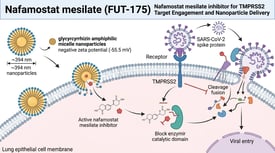
In the metabolic sphere, Dipeptidyl Peptidase-4 (DPP-4) is a serine protease that degrades incretin hormones like GLP-1. DPP-4 inhibitors, such as sitagliptin and vildagliptin, are widely used to treat type 2 diabetes by enhancing insulin secretion. Furthermore, serine proteases like neutrophil elastase and cathepsin G are implicated in inflammatory lung diseases such as chronic obstructive pulmonary disease (COPD) and cystic fibrosis, where they contribute to tissue destruction. More recently, the serine protease TMPRSS2 has gained prominence for its role in facilitating the entry of viruses, including SARS-CoV-2, into host cells, leading to the investigation of inhibitors like camostat mesylate as potential antiviral agents. Serine protease inhibitors can be classified into several categories based on their mechanism of action and chemical structure. These include reversible inhibitors, which form non-covalent interactions with the enzyme, and irreversible inhibitors, which form a stable covalent bond with the active site serine.
Small-molecule inhibitors are the most common, but peptide-based inhibitors and monoclonal antibodies are also being developed to improve selectivity. One of the primary challenges in targeting serine proteases is achieving high selectivity among closely related family members to avoid off-target toxicity. For example, inhibiting multiple proteases in the coagulation cascade can increase the risk of bleeding. Research tool compounds like AEBSF and PMSF are frequently used in laboratory settings for broad-spectrum protease inhibition, though they are too toxic for clinical use. Current research is focused on developing "exosite" inhibitors that bind outside the active site to achieve greater specificity. Additionally, the use of prodrug strategies and targeted delivery systems is being explored to enhance the therapeutic index of these inhibitors.
As our understanding of the "protease web"—the complex network of protease-substrate interactions—deepens, the development of more precise and potent serine protease inhibitors continues to be a vital area of drug discovery across multiple therapeutic areas.