Sodium Channel Chemicals
Voltage-gated sodium channels (VGSCs) are integral membrane proteins that play a fundamental role in the generation and propagation of action potentials in excitable cells, including neurons, cardiac myocytes, and skeletal muscle cells. These channels are responsible for the rapid influx of sodium ions into the cell, leading to depolarization and the initiation of electrical signals. The human genome encodes nine functional VGSC subtypes (NaV1.1-NaV1.9), each with distinct tissue distribution, biophysical properties, and pharmacological profiles. The main signaling pathway involves the opening of these channels in response to a change in membrane potential, allowing Na+ ions to rush into the cell, followed by rapid inactivation and subsequent repolarization. Modulating VGSC activity, primarily through inhibition, is a well-established therapeutic strategy for a range of neurological and cardiovascular disorders. Diseases and conditions associated with dysregulated VGSC function are diverse. Hyperexcitability of neurons due to altered VGSC activity is a hallmark of epilepsy and neuropathic pain. VGSC inhibitors are thus widely used as anticonvulsants and analgesics. In the heart, abnormal VGSC function can lead to cardiac arrhythmias, making channel blockers important antiarrhythmic agents.
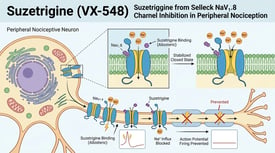
Additionally, VGSC modulators are used as local anesthetics to block nerve impulse transmission, and some are employed in the treatment of bipolar disorder. Genetic mutations in specific NaV subtypes are linked to channelopathies, including various forms of epilepsy, inherited pain syndromes, and cardiac arrhythmias. The research progress and status of Sodium Channel chemicals are extensive, with numerous approved drugs and a robust pipeline of novel compounds. Approved anticonvulsants include phenytoin, carbamazepine, lamotrigine, lacosamide, and topiramate. Local anesthetics like lidocaine, bupivacaine, and ropivacaine are widely used for pain management. Antiarrhythmic drugs such as flecainide and propafenone target cardiac sodium channels. Current research is heavily focused on developing subtype-selective inhibitors to improve efficacy and reduce off-target side effects. For instance, selective inhibitors of NaV1.7, NaV1.8, and NaV1.9 are being investigated for chronic pain, aiming to provide potent analgesia without the CNS side effects associated with non-selective agents. Many compounds are in preclinical and clinical trials for various pain conditions, epilepsy, and other neurological disorders.
Sodium Channel chemicals are commonly classified based on their binding site within the channel (e.g., local anesthetic site, anticonvulsant site), their state-dependent binding (preferentially binding to inactivated or open channels), and their selectivity for specific NaV subtypes. Early drugs were often non-selective, leading to a broad range of effects. The development of compounds with greater selectivity for specific NaV isoforms or specific states of the channel represents a major advance. Chemically, these inhibitors are diverse, including hydantoins, iminostilbenes, phenyltriazines, and amide-linked local anesthetics. Other relevant general knowledge includes the challenge of achieving subtype selectivity, as many NaV subtypes share high sequence homology, leading to off-target effects. Common side effects of non-selective VGSC inhibitors can include central nervous system effects (dizziness, ataxia, cognitive impairment), cardiac toxicity (arrhythmias, conduction disturbances), and gastrointestinal issues. Resistance or tolerance can develop over time, necessitating dose adjustments or combination therapies. Key research tool compounds include tetrodotoxin (TTX) and saxitoxin (STX), potent and selective blockers of most voltage-gated sodium channels, and veratridine, an activator. Combination therapy strategies, particularly in epilepsy and neuropathic pain, often involve combining VGSC inhibitors with other classes of drugs to achieve synergistic effects and improve symptom control.
The intricate structure and function of VGSCs continue to be a rich area for drug discovery.